Hello Molly Font: A Web Designer’s Layout Test
Testing Hello Molly in Boutique E-Commerce Hero Sections
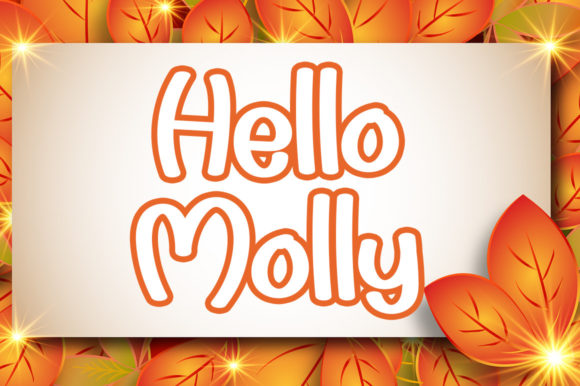
When I first loaded Hello Molly into my design software for a client’s artisan candle shop, I was specifically looking for a Script Handwritten typeface that could handle the heavy lifting of a hero section without sacrificing legibility. As web designers, we know that choosing the right Fonts is often a balancing act between personality and performance, and this particular font immediately stood out during my initial layout tests. The project required a digital storefront that felt intimate and handcrafted, yet professional enough to drive sales. When I applied Hello Molly to the main headline, "Hand-Poured with Intention," the sweet and quirky handwritten aesthetic instantly softened the commercial edge of the site while maintaining a clear visual hierarchy.
In practical application, I found that Hello Molly works best when given ample breathing room in large-scale display settings. During the desktop preview, the natural flow of the letterforms created a welcoming entry point that guided the user’s eye toward the primary call-to-action button. However, the real test came when I switched to the mobile viewport. Many decorative fonts fail at smaller sizes, but because Hello Molly has distinct character shapes and generous spacing, it remained readable even when scaled down for smartphone screens. This makes it an incredibly fitting choice for responsive e-commerce themes where the header must adapt fluidly across devices without losing its unique charm.
Optimizing Readability for Digital Product Landing Pages
Using Hello Molly on a course sales page requires a strategic approach to ensure that the Script Handwritten style enhances rather than hinders the user journey through various Fonts pairings. While testing this typeface for a creative coaching landing page, I focused heavily on contrast and background interaction. Handwritten fonts can sometimes struggle against busy photography, so I utilized a subtle dark overlay on the hero image to make the white Hello Molly text pop. The result was a headline that felt personal and authentic, reinforcing the coach’s brand voice without causing cognitive load for visitors scanning for course details.
I also experimented with using this font for subheadings and testimonial highlights. It is crucial to note that Hello Molly should be reserved for short bursts of text rather than long-form paragraphs. During my UX review, I discovered that limiting the font to three or four words per line maintained optimal readability. For example, using it for phrases like "Student Success Stories" or "Join the Community" added a layer of warmth that standard sans serif fonts simply cannot achieve. This selective usage ensures that the quirky nature of the typeface remains a special accent rather than becoming visual noise that distracts from the conversion goals of the page.
Pairing Hello Molly with Sans Serif Fonts for Brand Identity
A successful web layout relies on harmony, and integrating Hello Molly alongside clean Fonts creates a sophisticated balance that elevates the overall Script Handwritten appeal. In my recent portfolio redesign project, I paired Hello Molly with a geometric sans serif for body copy and navigation menus. This combination allowed the handwritten elements to serve as emotional anchors while the neutral sans serif handled the functional aspects of information delivery. The contrast between the organic curves of Hello Molly and the structured lines of the supporting typeface established a modern editorial look that felt both polished and approachable.
This pairing strategy is particularly effective for digital brand kits and style guides. When defining typography rules for clients, I recommend establishing Hello Molly strictly as a display font for H1 and H2 tags, while reserving highly legible system fonts for H3s and paragraph text. This systematic approach prevents the design from feeling chaotic. I also tested this combination in email newsletter headers and social media graphics templates. The consistency across these touchpoints helped build a cohesive brand identity where the sweet and quirky vibe of Hello Molly became a recognizable signature element, reinforcing brand recall without compromising the professional utility of the digital assets.
Implementing Hello Molly in Creative Portfolio Headers
For visual artists and creators, Hello Molly offers a distinctive way to personalize Script Handwritten headers that generic Fonts often lack. While building a photography portfolio site, I used this font to label gallery categories and introduce artist statements. The natural imperfections in the stroke width gave the digital interface a tactile quality, mimicking the feel of a physical sketchbook. This is essential for portfolios where the website itself needs to reflect the creator's artistic sensibility. I found that placing Hello Molly vertically alongside image grids created a dynamic composition that broke up the rigidity of standard bootstrap layouts.
However, accessibility must remain a priority when implementing such stylized typography. During my testing, I ensured that all instances of Hello Molly had appropriate alt text or semantic HTML structure so that screen readers could interpret the content correctly. I also paid close attention to color contrast ratios, ensuring that the delicate strokes met WCAG standards against light backgrounds. By treating Hello Molly as a graphical element that still adheres to web accessibility guidelines, I was able to deliver a visually stunning portfolio that remained inclusive and functional for all users, proving that expressive typography and usability can coexist effectively.
Licensing and Technical Specs for Hello Molly Web Projects
Before deploying Hello Molly to a live server, verifying the specific Script Handwritten file formats and commercial licensing within your Fonts package is a non-negotiable step for any professional designer. In my workflow, I always check for WOFF2 webfont files to ensure fast loading times, as handwritten fonts can sometimes have larger file sizes due to complex glyph data. For the boutique store project mentioned earlier, confirming that the license covered both web embedding and social media usage saved us from potential legal headaches down the road. Always review the EULA to understand if the license includes unlimited page views or if there are tiers based on traffic volume.
I also explored the OpenType features included with Hello Molly to maximize its versatility in digital layouts. Accessing alternate characters and swashes allowed me to customize headlines so they didn't look repetitive across different pages of the site. For instance, using a more elaborate swash on the homepage hero versus a simpler variation on internal blog posts created visual variety while maintaining typographic consistency. Additionally, checking multilingual support was vital for a client targeting international markets. Ensuring that the quirky style extended to accented characters prevented the design from breaking when localized content was added. These technical considerations are what separate amateur designs from professional, production-ready web experiences.
Elevating Blog Graphics and Social Media Templates
Beyond traditional websites, Hello Molly proves invaluable for creating engaging Script Handwritten overlays in Fonts libraries used for content marketing assets. When designing Pinterest pins and Instagram story templates for a lifestyle blogger, I utilized this font to create clickable, eye-catching titles. The sweet and quirky aesthetic performed exceptionally well in these vertical formats, stopping the scroll more effectively than standard bold sans serifs. I found that positioning Hello Molly over negative space in photographs ensured clarity, while the handwritten texture added a human touch that resonated with the audience's desire for authentic connection.
For blog feature images, I established a template system where Hello Molly was pre-styled with specific drop shadows and opacity settings to guarantee consistency across hundreds of future posts. This efficiency is key for content creators who need to produce high-quality visuals quickly. The font’s natural style also translated beautifully to video thumbnails and YouTube channel art, extending the brand’s visual language into motion graphics. By viewing Hello Molly not just as a website header font but as a comprehensive branding tool for digital content, designers can unlock its full potential to create immersive, multi-platform experiences that captivate audiences and strengthen brand affinity.