Flower Mandala Font Review for Handmade Product Design
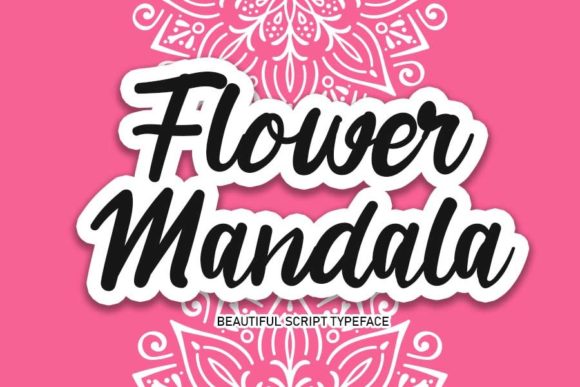
There is a specific moment in every product design session when the layout feels technically correct but emotionally flat. Last Tuesday, while finalizing a new line of soy candle labels for my shop, I hit that exact wall. The minimalist sans serif I was using was legible and clean, yet it lacked the warmth and organic texture that defines my brand identity. I needed a typeface that felt as natural as the botanical ingredients inside the jar. That is when I decided to test Flower Mandala, a sweet and relaxed handwritten font that promised to bridge the gap between professional polish and handmade charm. After spending several days applying this Script Handwritten typeface across candle labels, greeting cards, packaging inserts, and digital printable mockups, I can confidently say it brings a unique versatility to maker projects that few other Fonts can match.
Flower Mandala for Candle Labels and Product Packaging
When evaluating Flower Mandala for physical merchandise like candle labels and product packaging, the primary concern is always how the Script Handwritten style translates from screen to substrate. In my testing on matte vinyl sticker paper and textured linen labels, Flower Mandala maintained its integrity beautifully without bleeding or losing definition at smaller sizes. The natural and unique style of this font mimics the flow of a marker or brush pen, which adds an immediate layer of perceived value to handmade goods. Customers often associate this level of typographic detail with artisanal quality rather than mass production.
I specifically tested the font at 24pt and 36pt sizes for product names and scent descriptions. At these display sizes, the relaxed letterforms create a welcoming, approachable aesthetic that aligns perfectly with wellness and home decor niches. However, it is crucial to note where this font excels and where it struggles. Flower Mandala is exceptional for short phrases, product titles, and decorative accents, but it is not suitable for dense ingredient lists or safety warnings. For those technical elements, I paired it with a clean, geometric sans serif font to ensure regulatory compliance and readability while letting Flower Mandala serve as the emotional hook. This font pairing strategy elevated the entire label design, making the product look cohesive and professionally branded for both physical shelves and Etsy listing photos.
Using Flower Mandala for Wedding Invitations and Stationery
Designing wedding stationery requires a delicate balance of elegance and readability, and Flower Mandala proves to be a surprisingly adaptable choice within the realm of romantic Fonts. I created a mockup for a rustic-chic wedding invitation suite to test its versatility. Unlike rigid formal scripts that can feel stuffy, Flower Mandala offers a sweet and relaxed handwritten vibe that feels intimate and personal. This makes it incredibly fitting for modern couples who want their stationery to feel like a warm hug rather than a formal decree. The organic curves of the letters add movement to the page, guiding the eye naturally across the invitation hierarchy.
For stationery designers and Cricut users, the cuttability of a script font is non-negotiable. When preparing a file for a cutting machine to create acrylic welcome signs or paper place cards, thin connectors are often the point of failure. Flower Mandala has robust stroke widths that hold up well during the weeding process, provided you do not scale it down below recommended cutting minimums. I found it worked best for names, table numbers, and header text on signage. For the body copy detailing times and locations, switching to a simple serif font ensured guests could easily read the information while still enjoying the decorative flair of the headers. This practical application confirms that Flower Mandala is not just a pretty face; it is a functional tool for creating high-end stationery suites that sell.
Flower Mandala in Digital Printables and Planner Designs
The transition from physical products to digital downloads presents different challenges, particularly regarding screen resolution and visual hierarchy in thumbnail images. As a creator of digital planners and printable wall art, I need Fonts that remain crisp and engaging even when viewed as a small preview image on a marketplace. Flower Mandala shines in this digital environment because its distinct character shapes are recognizable at a glance. When designing a printable weekly planner cover, the font’s relaxed nature instantly communicated the product's purpose: mindfulness and organization without stress. It transformed a standard PDF template into something that felt curated and special.
Furthermore, for sellers offering editable templates (such as Canva or Corjl templates), including a font with broad commercial appeal is essential. Flower Mandala fits a large pool of designs, from boho nursery art to feminine business branding kits. Its versatility means customers are more likely to purchase a template featuring this typeface because they can envision using it for multiple aspects of their own lives. However, creators must always verify licensing before bundling this font into digital products. Ensure you have the appropriate commercial license if you plan to sell end-products or templates featuring Flower Mandala, as protecting your business legally is just as important as the aesthetic quality of your work.
Readability and Production Tips for Flower Mandala Projects
Falling in love with a font is easy, but bringing your projects to the highest level requires understanding its technical limitations in real-world production. Through my testing across various mediums, I have compiled practical advice for makers integrating Flower Mandala into their workflow. While it is a stunning display font, treating it correctly ensures your final product looks professional rather than amateur.
- Avoid All-Caps Usage: Like most Script Handwritten fonts, Flower Mandala is designed with connecting strokes meant for mixed-case or lowercase usage. Typing in all capital letters breaks the natural flow and creates awkward spacing that diminishes the font's charm.
- Mind the Kerning on Curved Surfaces: When applying this font to mugs, tumblers, or rounded candle jars, use your design software’s curve text tool carefully. Because the letters have varying baseline heights, aggressive curving can cause overlapping. Adjust tracking manually after curving to maintain the relaxed rhythm.
- Test Print Before Bulk Production: Screen brightness lies. Always print a single test label or card at actual size to check legibility. What looks bold on a backlit monitor may appear too faint on uncoated kraft paper or dark fabric.
- Utilize Negative Space: Flower Mandala has intricate details that need room to breathe. Do not crowd it against borders or other graphic elements. Generous whitespace around the lettering enhances the "sweet and relaxed" mood and improves overall readability.
- Check File Formats for Cutters: If you are using Silhouette Studio or Cricut Design Space, ensure you are using the OTF or TTF version installed on your system, or a properly converted SVG. Rasterized images of the font will result in jagged edges when cut.
Ultimately, Flower Mandala is a powerful asset for crafters and designers who want to infuse their work with genuine personality. It avoids the generic look of overused system scripts while remaining accessible enough for customers to connect with emotionally. Whether you are labeling small-batch skincare, designing seasonal greeting cards, or building a cohesive brand identity for your handmade business, this font delivers on its promise of natural beauty. By respecting its best use cases and pairing it thoughtfully with supporting typefaces, you can leverage Flower Mandala to create products that stand out in a crowded marketplace and resonate deeply with your audience.